
The Stat: Zero. That is the precise number of times Luciano Spalletti allowed himself to look up at the Curva B during the warm-up, a stark and painful contrast to the 50,000 whistles raining down on the man who delivered the city its holy grail—the Scudetto—less than two years ago.
Football usually allows for nostalgia. It permits a moment of grace where a returning hero waves, wipes away a tear, and receives the adulation of a grateful populace. But Naples is not a normal city, and the Stadio Diego Armando Maradona is not a normal theatre. Last night, the script wasn't written by a romantic; it was penned by a tragedian. The sight of Luciano Spalletti, the architect of Napoli’s 2023 glory, pacing the technical area in a Juventus suit felt like a glitch in the simulation. It was a visual dissonance that unsettled the stomach.
The Ink That Burns
Under the tailored fabric of his Bianconeri attire, Spalletti carries a permanent reminder of his "former life." The tattoo on his arm, depicting the Napoli emblem and the Scudetto shield, was meant to be a blood pact. At the time of the inking, the design was described artistically as if the skin had been ripped away to reveal his true blue essence underneath.
"For many Napoli supporters this was the ultimate sin, joining the club they hate the most."
Last night, that ink must have burned. To take the reins at Juventus, the Old Lady, the antithesis of everything Napoli stands for, is not a career move in these parts—it is apostasy. Yet, looking deeper into the narrative arc of Spalletti’s last twelve months, we see the desperation of a man trying to outrun his own shadow. Sacked by the Italian national team after a disastrous World Cup qualifying campaign, his stock had plummeted. The call from Turin to replace Igor Tudor wasn't just a job offer; it was a lifeline for a drowning reputation. But did he have to grab the hand of the devil to pull himself ashore?
The Dane who Slayed the Giant
While the cameras were fixated on the dugout drama, the match itself offered a reversal of roles so complete it induced vertigo. Historically, Juventus arrives in Naples as the imperious conqueror, the industrial northern machine coming to quell the southern rebellion. Not this time. Napoli entered as the juggernaut, the irresistible force, while Juve played the part of the scrappy underdog hoping to steal a point.
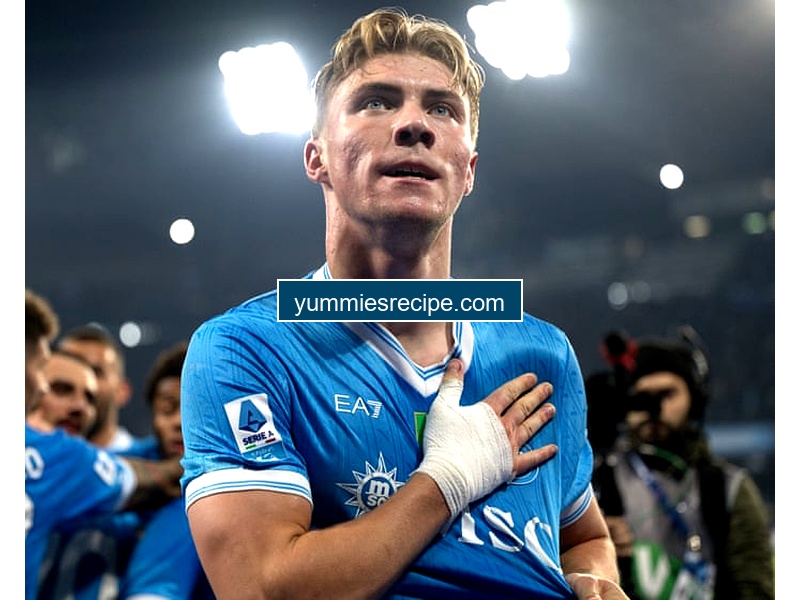
Enter Rasmus Højlund.
If Spalletti represented the ghosts of the past, Højlund was the vibrant, screaming shock of the future. His winner was not a goal of tactical intricacy, but one of brute force and desire—a fitting metaphor for this new Napoli era. He bullied the Juventus backline, a defense that Spalletti was visibly trying to micromanage from the sidelines, and delivered the fatal blow that sent the Maradona into a seismic event.
- The Impact: Højlund’s physicality exposed the fragility of a Juventus side still learning Spalletti's complex positional play.
- The Irony: Spalletti was defeated by the very intensity and verticality he instilled in this club two years ago.
- The Result: Napoli solidifies their status as title favorites, while Juve languishes in an identity crisis.
A Tactical Identity Crisis
Watching Spalletti’s Juventus was fascinatingly grim. You could see the blueprints of his philosophy—the desire to play out from the back, the inverted wingers, the overloaded midfield—but the personnel fit was jarring. It was like trying to run high-end software on obsolete hardware. He is trying to teach a squad built for pragmatism how to write poetry, and last night, they could barely string a sentence together.
Napoli, conversely, played with a freedom that suggested they have moved on. They didn't need the man on the opposing bench anymore. They have found new idols. Højlund’s performance was the exclamation point on that sentiment. He didn't just score; he erased the need for nostalgia.
The Bizarro World of Serie A
We are witnessing a Serie A season that feels upside down. "Bizarro World" is the only apt descriptor. When club legends inhabit the dugouts of their fiercest rivals, the emotional compass of the league spins wildly. Spalletti at Juve is a jarring image, but it speaks to the volatile nature of modern managerial careers. Loyalty is a commodity that depreciates faster than a luxury car.
But what does this mean for the rest of the campaign?
For Napoli, this victory was psychological exorcism. Beating Juve is always sweet; beating a Juve led by the man who "betrayed" them is intoxicating. It validates their current project and proves that the crest on the chest is heavier than the man in the suit.
For Spalletti, the road ahead is treacherous. He left Naples a god; he returned a pariah; he departed a loser. The patience in Turin is notoriously thin. If he cannot translate his intricate tactical language into points soon, his redemption arc might be cancelled before the second act even begins. He came to Turin to salvage his reputation after the Italy debacle, but nights like this only deepen the cracks in his aura.
As the final whistle blew, the noise was deafening—a mixture of joy for the win and vitriol for the visitor. Spalletti walked down the tunnel, head bowed, the tattoo hidden, the whistles ringing in his ears. In the cruel theatre of Italian football, you either die a hero or live long enough to manage Juventus. Luciano Spalletti has done both, and the tragedy is that he knows exactly what he has lost.