
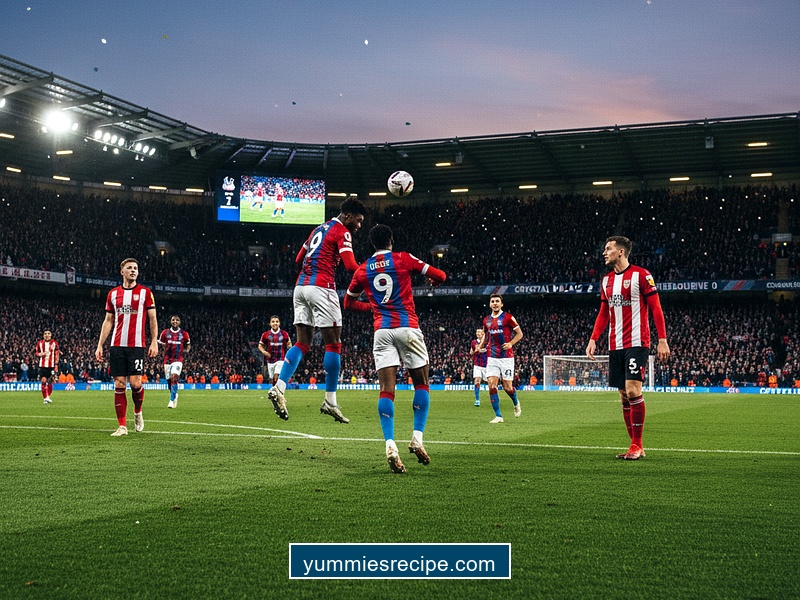
Eight matches. Twenty-four days. Seven hundred and twenty minutes of grueling, bone-crunching football. That is the sheer physical tax levied against a Premier League squad in the deepest, darkest month of the English calendar. For Crystal Palace, a team navigating the uncharted waters of a maiden European campaign, this statistic isn't just a number on a spreadsheet; it is a towering cliff face they must scale without looking down.
When the team sheet dropped for the clash against Shelbourne in Dublin, the narrative seemed written in invisible ink before a ball was kicked. No Jean-Philippe Mateta. No Daniel Muñoz. The marauding heroes who usually define the Eagles' intensity were missing, protected from the grind. In their place stood the understudies, the actors usually relegated to the wings, waiting for a spotlight that rarely comes. But football, in its infinite capacity for drama, decided to flip the script. What should have been a disjointed struggle turned into a cinematic stroll, a night where the supporting cast proved they could carry the blockbuster.
The Shadow of the Marathon Month
To understand the significance of this victory, you have to look beyond the scoreboard. Oliver Glasner is not just managing a football team right now; he is managing a crisis of energy. The decision to leave his heavy hitters at home was a gamble, the kind of high-stakes poker play that gets managers crucified on talk radio if the result goes south.
"We are in the middle of a marathon," Glasner admitted, the weight of the December schedule evident in his strategy. The Conference League offers glory, but the Premier League demands survival.
Arriving in Dublin, the atmosphere was ripe for an upset. Shelbourne, fueled by home pride and the magic of the European occasion, would have smelled blood in the water seeing a "weakened" Palace side. Yet, the narrative of the 'weakened team' is often a trap for the underdog. It forgets that in the Premier League, even the fringe players are predators waiting to feed.
Christantus Uche: An Audition Passed with Flying Colors
Every great sports story needs an unexpected hero, and in Dublin, that role was filled by Christantus Uche. Signed on loan from Getafe, Uche has existed largely as a rumor to many Palace fans—a name on a squad list, a silhouette on the training ground. This was only his second start. The pressure on a player in that position is suffocating. You aren't just playing for three points; you are playing for your future, for a permanent contract, for the trust of a manager who has barely seen you in competitive action.
He didn't just play; he announced himself. Uche’s goal wasn’t merely a statistic; it was a statement of intent. It was well-taken, composed, the work of a man who refused to let the occasion swallow him whole. In the narrative arc of Palace's season, Uche has transformed from a background extra into a viable plot device. If Palace are to survive the December gauntlet, they don't just need bodies—they need contributors. Uche proved he is ready to be counted.
The Resurrection of Eddie Nketiah
While Uche represented the joy of discovery, Eddie Nketiah represented the grit of redemption. Strikers are fragile creatures, their egos constructed of glass, shattered by droughts and rebuilt by goals. Nketiah has carried a heavy burden since his arrival—the weight of expectation, the shadow of his former club, and the desperate need to be the main man.
Scoring in Dublin meant scoring in two successive games. That sounds simple, but for a striker seeking rhythm, it is oxygen. Nketiah finding the net when the team’s primary talisman, Mateta, was absent, changes the tactical landscape for Glasner. It answers the nagging question: "Who scores if Mateta breaks?"
The victory in Dublin wasn't just about beating Shelbourne; it was about Nketiah proving he can shoulder the load when the lights are bright and the air is cold.
The Strategic Masterstroke: Looking Ahead to Finland
Perhaps the most intriguing subplot of this European adventure is Glasner’s boldness. With a playoff spot virtually assured, he has already declared his hand for the next round. Against Finnish side KuPS, he will play a weakened team. Again.
- Risk Assessment: Resting stars risks momentum, but playing them risks injury.
- Squad Trust: The Dublin result validates the quality of the "B-Team."
- The Long Game: Preserving legs for the Premier League is the ultimate priority.
This is where the manager earns his paycheck. It is easy to ride your best horses until they collapse; it takes courage to trust the rest of the stable. The "stroll" against Shelbourne wasn't just a win; it was validation. It told Glasner that his squad is not as thin as the pundits claim. It told the fans that even without their Avengers, they have heroes capable of saving the day.
What This Means for the Season
We are witnessing the maturing of Crystal Palace. European campaigns have destroyed lesser teams, dragging them into relegation battles as the Sunday-Thursday cycle grinds them into dust. But Palace are learning. They are adapting. They slipped up against Strasbourg, yes, but they responded in Dublin with professional arrogance.
<p style="font-size: 1.125rem; line-height: 1.8; color: #374151; margin-bottomEight matches. Twenty-four days. Seven hundred and twenty minutes of grueling, bone-crunching football. That is the sheer physical tax levied against a Premier League squad in the deepest, darkest month of the English calendar. For Crystal Palace, a team navigating the uncharted waters of a maiden European campaign, this statistic isn't just a number on a spreadsheet; it is a towering cliff face they must scale without looking down.
When the team sheet dropped for the clash against Shelbourne in Dublin, the narrative seemed written in invisible ink before a ball was kicked. No Jean-Philippe Mateta. No Daniel Muñoz. The marauding heroes who usually define the Eagles' intensity were missing, protected from the grind. In their place stood the understudies, the actors usually relegated to the wings, waiting for a spotlight that rarely comes. But football, in its infinite capacity for drama, decided to flip the script. What should have been a disjointed struggle turned into a cinematic stroll, a night where the supporting cast proved they could carry the blockbuster.
The Shadow of the Marathon Month
To understand the significance of this victory, you have to look beyond the scoreboard. Oliver Glasner is not just managing a football team right now; he is managing a crisis of energy. The decision to leave his heavy hitters at home was a gamble, the kind of high-stakes poker play that gets managers crucified on talk radio if the result goes south.
"We are in the middle of a marathon," Glasner admitted, the weight of the December schedule evident in his strategy. The Conference League offers glory, but the Premier League demands survival.
Arriving in Dublin, the atmosphere was ripe for an upset. Shelbourne, fueled by home pride and the magic of the European occasion, would have smelled blood in the water seeing a "weakened" Palace side. Yet, the narrative of the 'weakened team' is often a trap for the underdog. It forgets that in the Premier League, even the fringe players are predators waiting to feed.
Christantus Uche: An Audition Passed with Flying Colors
Every great sports story needs an unexpected hero, and in Dublin, that role was filled by Christantus Uche. Signed on loan from Getafe, Uche has existed largely as a rumor to many Palace fans—a name on a squad list, a silhouette on the training ground. This was only his second start. The pressure on a player in that position is suffocating. You aren't just playing for three points; you are playing for your future, for a permanent contract, for the trust of a manager who has barely seen you in competitive action.
He didn't just play; he announced himself. Uche’s goal wasn’t merely a statistic; it was a statement of intent. It was well-taken, composed, the work of a man who refused to let the occasion swallow him whole. In the narrative arc of Palace's season, Uche has transformed from a background extra into a viable plot device. If Palace are to survive the December gauntlet, they don't just need bodies—they need contributors. Uche proved he is ready to be counted.
The Resurrection of Eddie Nketiah
While Uche represented the joy of discovery, Eddie Nketiah represented the grit of redemption. Strikers are fragile creatures, their egos constructed of glass, shattered by droughts and rebuilt by goals. Nketiah has carried a heavy burden since his arrival—the weight of expectation, the shadow of his former club, and the desperate need to be the main man.
Scoring in Dublin meant scoring in two successive games. That sounds simple, but for a striker seeking rhythm, it is oxygen. Nketiah finding the net when the team’s primary talisman, Mateta, was absent, changes the tactical landscape for Glasner. It answers the nagging question: "Who scores if Mateta breaks?"
The victory in Dublin wasn't just about beating Shelbourne; it was about Nketiah proving he can shoulder the load when the lights are bright and the air is cold.
The Strategic Masterstroke: Looking Ahead to Finland
Perhaps the most intriguing subplot of this European adventure is Glasner’s boldness. With a playoff spot virtually assured, he has already declared his hand for the next round. Against Finnish side KuPS, he will play a weakened team. Again.
- Risk Assessment: Resting stars risks momentum, but playing them risks injury.
- Squad Trust: The Dublin result validates the quality of the "B-Team."
- The Long Game: Preserving legs for the Premier League is the ultimate priority.
This is where the manager earns his paycheck. It is easy to ride your best horses until they collapse; it takes courage to trust the rest of the stable. The "stroll" against Shelbourne wasn't just a win; it was validation. It told Glasner that his squad is not as thin as the pundits claim. It told the fans that even without their Avengers, they have heroes capable of saving the day.
What This Means for the Season
We are witnessing the maturing of Crystal Palace. European campaigns have destroyed lesser teams, dragging them into relegation battles as the Sunday-Thursday cycle grinds them into dust. But Palace are learning. They are adapting. They slipped up against Strasbourg, yes, but they responded in Dublin with professional arrogance.
<p style="font-size: 1.125rem; line-height: 1.8; color: #374151; margin-bottom