
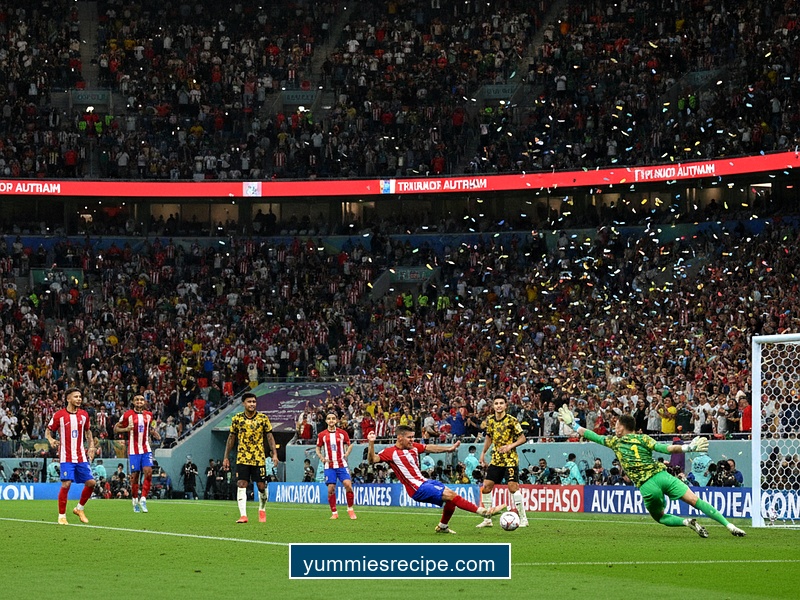
The cursor hovers over the 'Confirm Purchase' button, a digital precipice that feels less like a transaction and more like a surrender. Your heart is racing, not with the anticipation of a potential penalty shootout, but with the terrifying calculus of modern survival. Is a ninety-minute match worth a used car? Is witnessing history worth three months of mortgage payments? For the 2026 World Cup final, the answer from the governing body is a cold, hard stare. The whistle hasn't even blown for the opening kickoff, yet millions of fans have already lost the match.
We are witnessing the final act of a long, slow tragedy. The news broke this week like a tackle from behind—reckless, dangerous, and utterly unapologetic. Football Supporters Europe (FSE) has rightly branded FIFA’s pricing strategy for the 2026 World Cup as a "monumental betrayal." When the cheapest ticket for the final—let that sink in, the cheapest ticket—is set to cost £3,119 ($4,000+), we have moved beyond inflation. We have entered the realm of pure, unadulterated exclusion.
The Gentrification of the Beautiful Game
For decades, the narrative of football has been one of the people. It was the game played in favelas, on rainy concrete in Manchester, and dusty pitches in Lagos. But the 2026 tournament, hosted across the vast, corporate landscape of North America, signals a definitive shift in the protagonist of this story. The hero is no longer the fan who saves pennies in a jar for four years to follow their nation. The hero, in FIFA's eyes, is the corporate client, the luxury tourist, and the algorithm.
By setting the entry floor at such a staggering height, the organizers are not just raising prices; they are curating a crowd. They are swapping the chaotic, vibrant, singing passion of the "ultra" for the polite applause of the tech executive who treats the World Cup Final like a networking event at Davos. This isn't just about economics; it's about the soul of the atmosphere inside the stadium.
"To demand over £3,000 for the privilege of sitting in the furthest reaches of a stadium is not commerce; it is extortion. It tells the legacy fan: 'You are no longer welcome here.'"
The FSE’s statement that they are "astonished" is perhaps the only polite way to phrase it. This pricing strategy represents a villainous turn in the administration of the sport. It exploits the emotional connection fans have with their national teams. FIFA knows that football is a drug, and they are the only dealer in town. They are betting that the Fear Of Missing Out (FOMO) is stronger than financial prudence.
The Super Bowl-ification of the World Cup
Why is this happening now? We must look at the setting. The United States, Mexico, and Canada. Specifically, the American sports model is bleeding into the global game. In the US, the Super Bowl has long been a corporate gala where genuine fans are priced out in favor of celebrities and sweepstakes winners. FIFA has looked at that model—the immense revenue per seat, the secondary market explosions—and decided they want a slice of that American pie.
This is a pivot point in football history. We are moving from a "Universal Festival" to a "Premium Experience." The implications for the 2026 tournament are profound:
- The Silence of the Lambs: Without the working-class fans who drive the chants and the choreography, the MetLife Stadium in New Jersey risks becoming a sterile bowl of noise, devoid of the tribal rhythm that makes the World Cup unique.
- The Security Risk: When official channels become affordable only to the 1%, the black market thrives. Desperation breeds scams, counterfeit tickets, and dangerous crowding outside venues as fans try to get close to the action they can no longer afford to see.
- The Cultural Erasure: Teams from lower-income nations will effectively be playing without support. How many fans from Senegal, Argentina, or Ecuador can afford a £3,119 ticket plus flights and hotels? The stands will be homogenized, filled with neutrals rather than partisans.
The Broken Promise of Expansion
When FIFA announced the expansion of the tournament to 48 teams, the narrative was one of inclusion. "More nations, more dreams, more fans," they claimed. It was supposed to be a redemption arc for the sport after the controversies of Qatar and Russia. Instead, the expansion looks more like a wider net cast to catch more whales.
The irony is palpable. The expanded format requires more travel, more logistics, and more commitment from supporters. Yet, instead of rewarding that loyalty with accessibility, the governing body has erected a paywall so high it blocks out the sun. The "cheapest" Category 4 tickets for the final are practically mythological creatures; the vast majority of seats will be priced in the tiers above that, likely pushing five figures on the resale market.
A Defining Moment for the Sport
Is there a turning point? Can this narrative be salvaged? The backlash from Football Supporters Europe is the first sign of resistance, but in a monopoly, the consumer has little power. We aren't just talking about a price hike; we are talking about a fundamental restructuring of who football is for.
If the 2026 World Cup succeeds financially—and let's be honest, the stadiums will be full, even at these prices—it validates the model. It proves that football has successfully transitioned into a luxury good, immune to the economic realities of its traditional base. It confirms that the villains have won, not through scheming in the shadows, but by simply raising the price tag in plain sight.
The tragedy here isn't just the empty bank accounts; it's the empty seats in the heart of the culture. The father who wants to take his daughter to see their heroes lift the trophy is no longer a participant in this story; he is merely a television viewer, pressed against the glass, watching the wealthy inherit the earth. FIFA has drawn a line in the sand, and on one side is the money, and on the other is the magic. Tragically, they have chosen the former, leaving the fans to pay the price for their monumental betrayal.
The cursor hovers over the 'Confirm Purchase' button, a digital precipice that feels less like a transaction and more like a surrender. Your heart is racing, not with the anticipation of a potential penalty shootout, but with the terrifying calculus of modern survival. Is a ninety-minute match worth a used car? Is witnessing history worth three months of mortgage payments? For the 2026 World Cup final, the answer from the governing body is a cold, hard stare. The whistle hasn't even blown for the opening kickoff, yet millions of fans have already lost the match.
We are witnessing the final act of a long, slow tragedy. The news broke this week like a tackle from behind—reckless, dangerous, and utterly unapologetic. Football Supporters Europe (FSE) has rightly branded FIFA’s pricing strategy for the 2026 World Cup as a "monumental betrayal." When the cheapest ticket for the final—let that sink in, the cheapest ticket—is set to cost £3,119 ($4,000+), we have moved beyond inflation. We have entered the realm of pure, unadulterated exclusion.
The Gentrification of the Beautiful Game
For decades, the narrative of football has been one of the people. It was the game played in favelas, on rainy concrete in Manchester, and dusty pitches in Lagos. But the 2026 tournament, hosted across the vast, corporate landscape of North America, signals a definitive shift in the protagonist of this story. The hero is no longer the fan who saves pennies in a jar for four years to follow their nation. The hero, in FIFA's eyes, is the corporate client, the luxury tourist, and the algorithm.
By setting the entry floor at such a staggering height, the organizers are not just raising prices; they are curating a crowd. They are swapping the chaotic, vibrant, singing passion of the "ultra" for the polite applause of the tech executive who treats the World Cup Final like a networking event at Davos. This isn't just about economics; it's about the soul of the atmosphere inside the stadium.
"To demand over £3,000 for the privilege of sitting in the furthest reaches of a stadium is not commerce; it is extortion. It tells the legacy fan: 'You are no longer welcome here.'"
The FSE’s statement that they are "astonished" is perhaps the only polite way to phrase it. This pricing strategy represents a villainous turn in the administration of the sport. It exploits the emotional connection fans have with their national teams. FIFA knows that football is a drug, and they are the only dealer in town. They are betting that the Fear Of Missing Out (FOMO) is stronger than financial prudence.
The Super Bowl-ification of the World Cup
Why is this happening now? We must look at the setting. The United States, Mexico, and Canada. Specifically, the American sports model is bleeding into the global game. In the US, the Super Bowl has long been a corporate gala where genuine fans are priced out in favor of celebrities and sweepstakes winners. FIFA has looked at that model—the immense revenue per seat, the secondary market explosions—and decided they want a slice of that American pie.
This is a pivot point in football history. We are moving from a "Universal Festival" to a "Premium Experience." The implications for the 2026 tournament are profound:
- The Silence of the Lambs: Without the working-class fans who drive the chants and the choreography, the MetLife Stadium in New Jersey risks becoming a sterile bowl of noise, devoid of the tribal rhythm that makes the World Cup unique.
- The Security Risk: When official channels become affordable only to the 1%, the black market thrives. Desperation breeds scams, counterfeit tickets, and dangerous crowding outside venues as fans try to get close to the action they can no longer afford to see.
- The Cultural Erasure: Teams from lower-income nations will effectively be playing without support. How many fans from Senegal, Argentina, or Ecuador can afford a £3,119 ticket plus flights and hotels? The stands will be homogenized, filled with neutrals rather than partisans.
The Broken Promise of Expansion
When FIFA announced the expansion of the tournament to 48 teams, the narrative was one of inclusion. "More nations, more dreams, more fans," they claimed. It was supposed to be a redemption arc for the sport after the controversies of Qatar and Russia. Instead, the expansion looks more like a wider net cast to catch more whales.
The irony is palpable. The expanded format requires more travel, more logistics, and more commitment from supporters. Yet, instead of rewarding that loyalty with accessibility, the governing body has erected a paywall so high it blocks out the sun. The "cheapest" Category 4 tickets for the final are practically mythological creatures; the vast majority of seats will be priced in the tiers above that, likely pushing five figures on the resale market.
A Defining Moment for the Sport
Is there a turning point? Can this narrative be salvaged? The backlash from Football Supporters Europe is the first sign of resistance, but in a monopoly, the consumer has little power. We aren't just talking about a price hike; we are talking about a fundamental restructuring of who football is for.
If the 2026 World Cup succeeds financially—and let's be honest, the stadiums will be full, even at these prices—it validates the model. It proves that football has successfully transitioned into a luxury good, immune to the economic realities of its traditional base. It confirms that the villains have won, not through scheming in the shadows, but by simply raising the price tag in plain sight.
The tragedy here isn't just the empty bank accounts; it's the empty seats in the heart of the culture. The father who wants to take his daughter to see their heroes lift the trophy is no longer a participant in this story; he is merely a television viewer, pressed against the glass, watching the wealthy inherit the earth. FIFA has drawn a line in the sand, and on one side is the money, and on the other is the magic. Tragically, they have chosen the former, leaving the fans to pay the price for their monumental betrayal.