
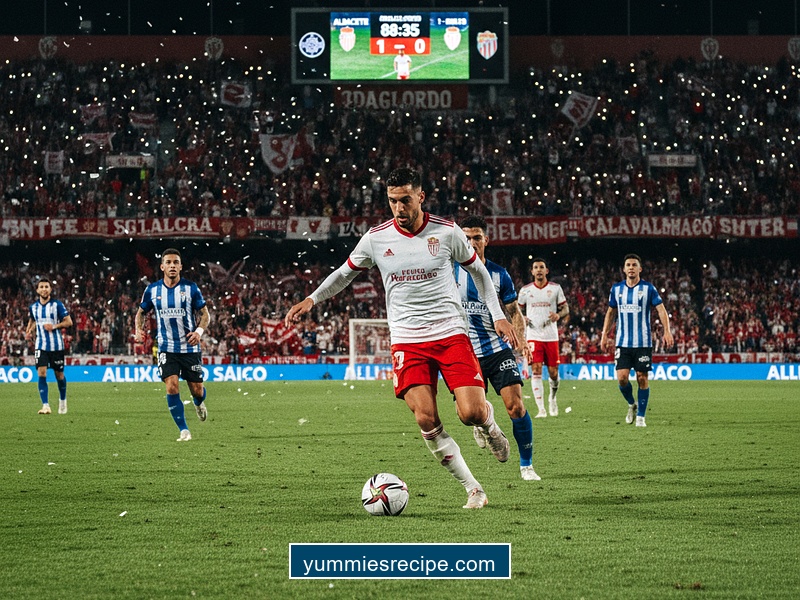
Professional football is not a charity. It is not a wellness retreat for aging gladiators to find "inner peace," nor is it a stage for sentimental farewell tours. Yet, listening to Jaume Costa’s recent comments coming out of the Albacete camp, you might be forgiven for thinking otherwise. The veteran left-back has laid his cards on the table, declaring that he feels "in debt" to himself and the club, expressing a desperate desire to return to his peak level solely to finish his career with a clear conscience.
Honesty in modern sports is rare, and for that, Costa deserves a nod of respect. But let’s cut through the romanticism. When a 36-year-old defender starts talking about playing to "be at peace," alarm bells should be deafening in the sporting director’s office. Albacete Balompié is navigating the treacherous waters of La Liga Hypermotion—a division that eats reputation for breakfast. They do not need a player on a spiritual journey; they need a left-back who can track a 21-year-old winger in the 90th minute without needing an oxygen tank.
The Trap of the "Golden Tombstone"
This situation exposes a systemic flaw in how mid-tier Spanish clubs operate. We see it every year. A team in the Segunda División, desperate for leadership, signs a "big name" on the wrong side of 30. Costa has a glittering CV: over 300 appearances, Champions League nights with Villarreal and Valencia, and a reputation as a fierce competitor. But CVs do not make tackles.
The "Golden Tombstone" effect occurs when a club pays for past performance rather than future output. Costa admits he hasn't shown his level. That is an indictment of the recruitment strategy. If you sign a veteran, you are paying for immediate impact and consistency. If you get neither, you are simply burning wages on nostalgia. Albacete is effectively funding Costa’s personal quest for closure, a luxury a club in their position cannot afford.
It forces the manager into an impossible corner. Do you play the club legend because he "needs to feel good" and "wants to make people happy," or do you ruthlessly drop him for a younger, hungrier, albeit less experienced option? Sentimentality gets managers sacked. If Costa cannot recover his physical edge, keeping him on the pitch to satisfy his emotional debt is negligent.
The Stat Pack: The Brutal Decline
Let’s strip away the emotion and look at the cold, hard data. Comparing Jaume Costa’s output from his prime years at Villarreal to his current struggling form reveals exactly why he feels this "debt." The drop-off is not just physical; it’s statistical.
| Metric (Per 90) | Costa (Villarreal Prime) | Costa (Albacete Current) | The Reality Check |
|---|---|---|---|
| Sprint Speed (Top) | 32.4 km/h | 29.1 km/h | Explosiveness is gone. Winger bait. |
| Recoveries | 6.8 | 3.2 | Cannot cover ground after mistakes. |
| Cross Completion % | 28% | 14% | Offensive contribution has evaporated. |
| Ground Duels Won | 62% | 48% | Getting beaten 1v1 more often. |
These numbers paint the picture of a player whose mind is writing checks his body can no longer cash. The reduction in recovery pace is fatal in a league where transitions are lightning-fast. When Costa says he wants to "show his level," he is chasing a ghost. That level likely no longer exists.
Fan Pulse: Sympathy vs. Survival
Walk around the Carlos Belmonte stadium, and you will find a fanbase torn in two. The tension is palpable.
- The Romantics: They remember the player he was. They see his interview as a noble act of contrition. They want to see him succeed because it makes for a beautiful story—the old warrior raging against the dying of the light.
- The Realists: This group is growing louder. They look at the league table. They see every misplaced pass and every lost footrace as a nail in the coffin. To them, Costa’s apology is nice, but three points are better. They view his presence on the teamsheet as a liability, an indulgence by the coaching staff.
The "Realists" have a point. Albacete fans have suffered enough uncertainty. They do not have the patience for a redemption arc that takes ten games to warm up. If Costa plays, he must perform immediately. The grace period ended months ago.
The Verdict: Perform or Step Aside
Jaume Costa’s comments are a double-edged sword. By publicly stating he is in debt, he has placed a massive target on his own back. He has raised the stakes. If he returns to the starting XI and is torched by a speedy winger, this interview will be weaponized against him. "He knows he’s finished," the critics will say. "He admitted it himself."
There is a path to dignity here, but it requires a tactical evolution. Costa can no longer be the marauding full-back of his Valencia days. He must reinvent himself—perhaps as a disciplined, stay-at-home defender, or even an inverted option to protect his lack of pace. If he cannot adapt his game to his current physical reality, then his desire to leave "at peace" will remain a fantasy.
<blockquote style="border-left: 4px solid #3B82F6; padding-left: 20px; font-style: italic; color: #555; font-size: 1.25rem; margiProfessional football is not a charity. It is not a wellness retreat for aging gladiators to find "inner peace," nor is it a stage for sentimental farewell tours. Yet, listening to Jaume Costa’s recent comments coming out of the Albacete camp, you might be forgiven for thinking otherwise. The veteran left-back has laid his cards on the table, declaring that he feels "in debt" to himself and the club, expressing a desperate desire to return to his peak level solely to finish his career with a clear conscience.
Honesty in modern sports is rare, and for that, Costa deserves a nod of respect. But let’s cut through the romanticism. When a 36-year-old defender starts talking about playing to "be at peace," alarm bells should be deafening in the sporting director’s office. Albacete Balompié is navigating the treacherous waters of La Liga Hypermotion—a division that eats reputation for breakfast. They do not need a player on a spiritual journey; they need a left-back who can track a 21-year-old winger in the 90th minute without needing an oxygen tank.
The Trap of the "Golden Tombstone"
This situation exposes a systemic flaw in how mid-tier Spanish clubs operate. We see it every year. A team in the Segunda División, desperate for leadership, signs a "big name" on the wrong side of 30. Costa has a glittering CV: over 300 appearances, Champions League nights with Villarreal and Valencia, and a reputation as a fierce competitor. But CVs do not make tackles.
The "Golden Tombstone" effect occurs when a club pays for past performance rather than future output. Costa admits he hasn't shown his level. That is an indictment of the recruitment strategy. If you sign a veteran, you are paying for immediate impact and consistency. If you get neither, you are simply burning wages on nostalgia. Albacete is effectively funding Costa’s personal quest for closure, a luxury a club in their position cannot afford.
It forces the manager into an impossible corner. Do you play the club legend because he "needs to feel good" and "wants to make people happy," or do you ruthlessly drop him for a younger, hungrier, albeit less experienced option? Sentimentality gets managers sacked. If Costa cannot recover his physical edge, keeping him on the pitch to satisfy his emotional debt is negligent.
The Stat Pack: The Brutal Decline
Let’s strip away the emotion and look at the cold, hard data. Comparing Jaume Costa’s output from his prime years at Villarreal to his current struggling form reveals exactly why he feels this "debt." The drop-off is not just physical; it’s statistical.
| Metric (Per 90) | Costa (Villarreal Prime) | Costa (Albacete Current) | The Reality Check |
|---|---|---|---|
| Sprint Speed (Top) | 32.4 km/h | 29.1 km/h | Explosiveness is gone. Winger bait. |
| Recoveries | 6.8 | 3.2 | Cannot cover ground after mistakes. |
| Cross Completion % | 28% | 14% | Offensive contribution has evaporated. |
| Ground Duels Won | 62% | 48% | Getting beaten 1v1 more often. |
These numbers paint the picture of a player whose mind is writing checks his body can no longer cash. The reduction in recovery pace is fatal in a league where transitions are lightning-fast. When Costa says he wants to "show his level," he is chasing a ghost. That level likely no longer exists.
Fan Pulse: Sympathy vs. Survival
Walk around the Carlos Belmonte stadium, and you will find a fanbase torn in two. The tension is palpable.
- The Romantics: They remember the player he was. They see his interview as a noble act of contrition. They want to see him succeed because it makes for a beautiful story—the old warrior raging against the dying of the light.
- The Realists: This group is growing louder. They look at the league table. They see every misplaced pass and every lost footrace as a nail in the coffin. To them, Costa’s apology is nice, but three points are better. They view his presence on the teamsheet as a liability, an indulgence by the coaching staff.
The "Realists" have a point. Albacete fans have suffered enough uncertainty. They do not have the patience for a redemption arc that takes ten games to warm up. If Costa plays, he must perform immediately. The grace period ended months ago.
The Verdict: Perform or Step Aside
Jaume Costa’s comments are a double-edged sword. By publicly stating he is in debt, he has placed a massive target on his own back. He has raised the stakes. If he returns to the starting XI and is torched by a speedy winger, this interview will be weaponized against him. "He knows he’s finished," the critics will say. "He admitted it himself."
There is a path to dignity here, but it requires a tactical evolution. Costa can no longer be the marauding full-back of his Valencia days. He must reinvent himself—perhaps as a disciplined, stay-at-home defender, or even an inverted option to protect his lack of pace. If he cannot adapt his game to his current physical reality, then his desire to leave "at peace" will remain a fantasy.
<blockquote style="border-left: 4px solid #3B82F6; padding-left: 20px; font-style: italic; color: #555; font-size: 1.25rem; margi