
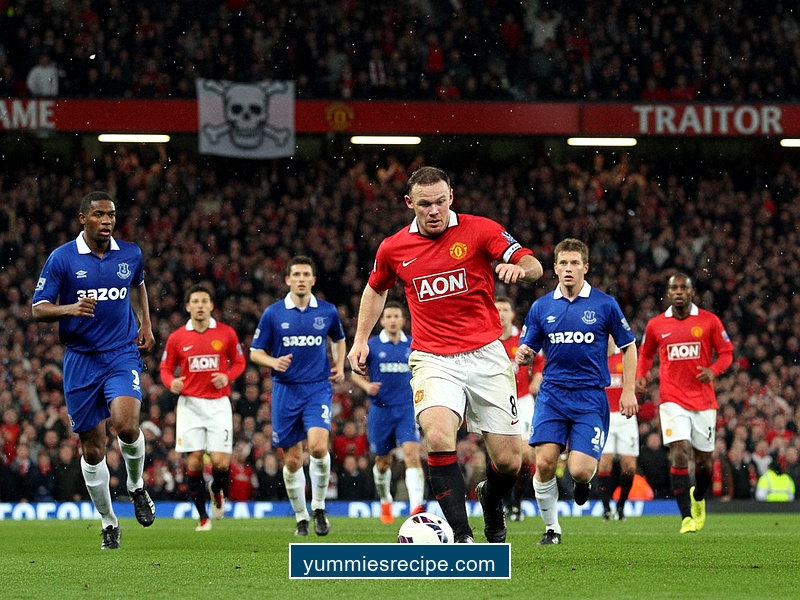
Let’s cut the nostalgia. When we talk about the summer of 2004, the history books usually show a smiling teenager holding a Manchester United shirt next to Sir Alex Ferguson. It looks pristine. It looks like destiny. But if you were around the corridors of power in the North West back then, you knew the reality was far grimier. It was a war zone.
Wayne Rooney, now 40 and navigating the treacherous waters of management, has finally pulled back the curtain on the brutality of that transfer. We aren’t talking about a few nasty letters or a burning shirt in a pub car park. We are talking about death threats. We are talking about a mob descending on his parents' house. This is the dark, unfiltered underbelly of the English game that executives in glass offices love to ignore.
The narrative at the time was simple: the boy wonder betrayed his roots. He was the Croxteth lad who flashed the “Once a Blue, Always a Blue” undershirt, only to chase the lights of Old Trafford the moment the chequebook opened. But looking back with the insider knowledge we have now, the hostility wasn't just disappointment—it was dangerous obsession.
The Merseyside Pressure Cooker
You have to understand the geography and the economics to understand the rage. Everton in 2004 wasn't just a football club; for that side of Liverpool, it was a religion facing an existential crisis. They had found their messiah in Rooney. He was rough, he was raw, and he played like he was fighting in a street brawl.
When he left, he didn't just leave a hole in the squad; he shattered the illusion that loyalty could triumph over capital. The threats Rooney describes—terrifying attacks on his family home—stem from a deep-seated feeling of impotence among the fanbase. They couldn't stop the Glazers (or the pre-Glazer PLC) from taking their prize, so they turned on the boy.
"I was getting death threats. I was getting people going to my house, my mum and dad's house, trying to attack them." — Wayne Rooney
This wasn't handled with the PR polish we see today. In 2024, a player in this situation would be moved to a safe house, private security firms would be deployed within the hour, and a statement condemning "online abuse" would be issued. Back then? Rooney was 18, exposed, and expected to just get on with it. It is a miracle his career didn't implode before it began.
Deep Dive: The Industrial Complex of Betrayal
Why does this matter now? Because Rooney was the canary in the coal mine for the modern super-agent era. The hostility he faced is the exact reason why agencies like Gestifute or Roc Nation now wrap their clients in cotton wool.
Tactically, Ferguson didn't care about the noise. I recall conversations from that era suggesting United viewed the hostility as a litmus test. If Rooney could handle Liverpool hating him, he could handle the pressure of being United's number 8 (and later 10). It was a baptism of fire.
From a market perspective, this transfer changed the valuation metrics for teenagers. Before Rooney, you paid for potential. With Rooney, United paid a world-record fee for a teenager (£27m) because they were buying immediate impact. But they were also buying a human being who was actively being hunted by his former community. The club’s failure—and the industry's failure—was not recognizing the toll that takes. When we criticize Rooney’s later years, his off-field antics, or his burnout, we need to trace the root cause back to 2004. He was forced to grow a shell so hard that it eventually became impossible to penetrate.
The Stat Pack: Delivering Under Fire
It is easy to forget just how good he was amidst the chaos. While people were threatening his parents, Rooney walked onto the Old Trafford pitch for his debut in the Champions League and scored a hat-trick. That is not normal behavior. That is a psychological anomaly.
Here is the breakdown of that explosive transition period:
| Metric | Everton (03/04) | Man Utd (04/05) | Change |
|---|---|---|---|
| Age | 17-18 | 18-19 | +1 Year |
| Apps | 40 | 43 | Increased Load |
| Goals | 9 | 17 | +89% |
| Transfer Fee | N/A | £27,000,000 | World Record (Teen) |
These numbers show a player who thrived on conflict. Most teenagers crumble when their phone is ringing with death threats. Rooney doubled his output. It speaks to a singular focus that perhaps no English player has matched since.
Locker Room Dynamics: The Old Trafford Shield
Inside the United dressing room, the atmosphere was notoriously ruthless, but it was also a sanctuary. I’ve heard stories from the Carrington training ground during those years. The likes of Roy Keane and Gary Neville didn't offer tea and sympathy. They offered a different kind of protection: excellence.
The message from the seniors was clear: "Forget Liverpool. You are one of us now. Win, and they can’t touch you." This militaristic approach worked for Rooney. He channeled his aggression—the same aggression born from the fear of those threats—into his game. He ran harder, tackled fiercer, and argued with referees more passionately because he was playing for his life.
However, this came at a cost. The isolation from his home city meant he became entirely dependent on the football club structure. When you sever ties with your roots that violently, the club becomes your only family. That gives the club immense power, something Ferguson wielded expertly until the relationship soured in later years.
Fan Pulse: The Scars Remain
What is the mood now? Time heals, but in football, it heals crookedly. Rooney eventually returned to Everton, a twilight swan song that was supposed to mend the bridge. There was applause, sure. There was respect for his career. But the love? The pure, unadulterated adoration he would have had if he stayed? That was gone forever.
The Current Sentiment:
- 🔥 The Hardliners: Still view him as "Judas." The threats he mentioned vindicate their belief that the betrayal was absolute.
- ⚖️ The Pragmatists: Acknowledge the £27m saved the club from financial ruin at the time.
- 🛡️ The United Front: United fans view him as a martyr who sacrificed his hometown status to become their greatest goalscorer.
This revelation of death threats shifts the dial slightly. It humanizes a figure who, for two decades, was treated as a commodity. It forces the Everton faithful—and football fans generally—to look in the mirror. We demanded loyalty, but when a teenager made a career choice, the reaction was criminal.
The Last of the Street Fighters
Wayne Rooney’s admission isn't a plea for sympathy; it's a statement of fact from a man who survived the grinder. The modern game is cleaner, softer, and more corporate. If a player like Lamine Yamal or Jude Bellingham faced credible death threats today, the le
Let’s cut the nostalgia. When we talk about the summer of 2004, the history books usually show a smiling teenager holding a Manchester United shirt next to Sir Alex Ferguson. It looks pristine. It looks like destiny. But if you were around the corridors of power in the North West back then, you knew the reality was far grimier. It was a war zone.
Wayne Rooney, now 40 and navigating the treacherous waters of management, has finally pulled back the curtain on the brutality of that transfer. We aren’t talking about a few nasty letters or a burning shirt in a pub car park. We are talking about death threats. We are talking about a mob descending on his parents' house. This is the dark, unfiltered underbelly of the English game that executives in glass offices love to ignore.
The narrative at the time was simple: the boy wonder betrayed his roots. He was the Croxteth lad who flashed the “Once a Blue, Always a Blue” undershirt, only to chase the lights of Old Trafford the moment the chequebook opened. But looking back with the insider knowledge we have now, the hostility wasn't just disappointment—it was dangerous obsession.
The Merseyside Pressure Cooker
You have to understand the geography and the economics to understand the rage. Everton in 2004 wasn't just a football club; for that side of Liverpool, it was a religion facing an existential crisis. They had found their messiah in Rooney. He was rough, he was raw, and he played like he was fighting in a street brawl.
When he left, he didn't just leave a hole in the squad; he shattered the illusion that loyalty could triumph over capital. The threats Rooney describes—terrifying attacks on his family home—stem from a deep-seated feeling of impotence among the fanbase. They couldn't stop the Glazers (or the pre-Glazer PLC) from taking their prize, so they turned on the boy.
"I was getting death threats. I was getting people going to my house, my mum and dad's house, trying to attack them." — Wayne Rooney
This wasn't handled with the PR polish we see today. In 2024, a player in this situation would be moved to a safe house, private security firms would be deployed within the hour, and a statement condemning "online abuse" would be issued. Back then? Rooney was 18, exposed, and expected to just get on with it. It is a miracle his career didn't implode before it began.
Deep Dive: The Industrial Complex of Betrayal
Why does this matter now? Because Rooney was the canary in the coal mine for the modern super-agent era. The hostility he faced is the exact reason why agencies like Gestifute or Roc Nation now wrap their clients in cotton wool.
Tactically, Ferguson didn't care about the noise. I recall conversations from that era suggesting United viewed the hostility as a litmus test. If Rooney could handle Liverpool hating him, he could handle the pressure of being United's number 8 (and later 10). It was a baptism of fire.
From a market perspective, this transfer changed the valuation metrics for teenagers. Before Rooney, you paid for potential. With Rooney, United paid a world-record fee for a teenager (£27m) because they were buying immediate impact. But they were also buying a human being who was actively being hunted by his former community. The club’s failure—and the industry's failure—was not recognizing the toll that takes. When we criticize Rooney’s later years, his off-field antics, or his burnout, we need to trace the root cause back to 2004. He was forced to grow a shell so hard that it eventually became impossible to penetrate.
The Stat Pack: Delivering Under Fire
It is easy to forget just how good he was amidst the chaos. While people were threatening his parents, Rooney walked onto the Old Trafford pitch for his debut in the Champions League and scored a hat-trick. That is not normal behavior. That is a psychological anomaly.
Here is the breakdown of that explosive transition period:
| Metric | Everton (03/04) | Man Utd (04/05) | Change |
|---|---|---|---|
| Age | 17-18 | 18-19 | +1 Year |
| Apps | 40 | 43 | Increased Load |
| Goals | 9 | 17 | +89% |
| Transfer Fee | N/A | £27,000,000 | World Record (Teen) |
These numbers show a player who thrived on conflict. Most teenagers crumble when their phone is ringing with death threats. Rooney doubled his output. It speaks to a singular focus that perhaps no English player has matched since.
Locker Room Dynamics: The Old Trafford Shield
Inside the United dressing room, the atmosphere was notoriously ruthless, but it was also a sanctuary. I’ve heard stories from the Carrington training ground during those years. The likes of Roy Keane and Gary Neville didn't offer tea and sympathy. They offered a different kind of protection: excellence.
The message from the seniors was clear: "Forget Liverpool. You are one of us now. Win, and they can’t touch you." This militaristic approach worked for Rooney. He channeled his aggression—the same aggression born from the fear of those threats—into his game. He ran harder, tackled fiercer, and argued with referees more passionately because he was playing for his life.
However, this came at a cost. The isolation from his home city meant he became entirely dependent on the football club structure. When you sever ties with your roots that violently, the club becomes your only family. That gives the club immense power, something Ferguson wielded expertly until the relationship soured in later years.
Fan Pulse: The Scars Remain
What is the mood now? Time heals, but in football, it heals crookedly. Rooney eventually returned to Everton, a twilight swan song that was supposed to mend the bridge. There was applause, sure. There was respect for his career. But the love? The pure, unadulterated adoration he would have had if he stayed? That was gone forever.
The Current Sentiment:
- 🔥 The Hardliners: Still view him as "Judas." The threats he mentioned vindicate their belief that the betrayal was absolute.
- ⚖️ The Pragmatists: Acknowledge the £27m saved the club from financial ruin at the time.
- 🛡️ The United Front: United fans view him as a martyr who sacrificed his hometown status to become their greatest goalscorer.
This revelation of death threats shifts the dial slightly. It humanizes a figure who, for two decades, was treated as a commodity. It forces the Everton faithful—and football fans generally—to look in the mirror. We demanded loyalty, but when a teenager made a career choice, the reaction was criminal.
The Last of the Street Fighters
Wayne Rooney’s admission isn't a plea for sympathy; it's a statement of fact from a man who survived the grinder. The modern game is cleaner, softer, and more corporate. If a player like Lamine Yamal or Jude Bellingham faced credible death threats today, the le