
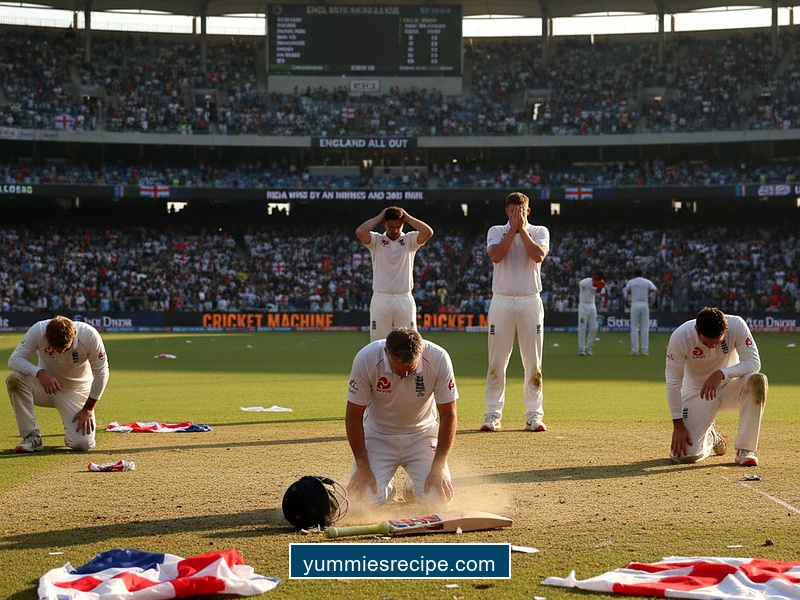
"We got it wrong. The preparation, the approach, the execution. When you build a castle on dust, you cannot be surprised when the wind blows it away."
The party is over. The golf clubs have been packed away, the bucket hats are being sheepishly removed, and the "vibes" have officially soured into a rancid hangover. What we witnessed over the last fortnight wasn't just a sporting defeat; it was a liquidation of an ideology. The Bazball era, characterized by aggressive posturing and a refusal to acknowledge the basic laws of physics or cricket, has hit a wall made of reinforced Australian concrete.
The scorecard will say England lost the Ashes. The reality is far grimmer. They surrendered their dignity in a frantic, eleven-day fever dream that has exposed the rot beneath the floorboards of the English game. We are no longer looking at a "work in progress." We are looking at a demolition site. The immediate question is not how they lost, but who survives the fallout. The silence from the ECB boardroom is deafening, and usually, that kind of silence precedes the sound of a guillotine.
The Analysis: The Bill Comes Due
Brendon McCullum’s admission of "errors in preparation" is the first crack in the facade. For two years, this regime has operated on a policy of total defiance. Critique was dismissed as "noise." tactical nuances were laughed off as old-fashioned. But when the Head Coach admits the preparation was botched, he is essentially handing the executioner a sharpened blade.
This admission changes the landscape entirely. It moves the conversation from "bad luck" to "gross negligence." The future consequences for McCullum are stark. While he likely retains his job for the immediate winter tours, his autonomy has evaporated. The era of the blank check is dead. The ECB will now demand oversight. They will demand accountability. The days of treating Test cricket like an extended stag do in Ibiza are finished.
If the coach is vulnerable, the players are endangered. This isn't just about dropping a batsman or resting a bowler; we are staring down the barrel of a generational purge. The arrogance mentioned in every dispatch from the front lines suggests a dressing room that drank its own Kool-Aid. When the inquest begins at Lord's, expect the axe to fall not on the young talents who were misled, but on the senior figures who allowed the standard to slip.
The Market Crash of 'Bazball'
Let’s speak plainly about the brand. English cricket sold "Bazball" as a revolution. It was marketable, it was loud, and it put bums on seats. But markets fluctuate, and right now, the stock has crashed. This has massive implications for the upcoming central contracts and the transfer of power within the sport.
The "castle of dust" analogy isn't just poetic; it's structural. The entire system was leveraged on the idea that positive intent trumps technical competence. That gamble failed. The consequence? A return to conservatism is inevitable. The county circuit, so often derided by this current regime, will feel vindicated. We should expect a shift in selection policy that prioritizes grinding runs and wicket-taking over strike rates and "vibes."
Look for the ECB to pivot hard. The marketing budget will shift. The rhetoric will change from "saving Test cricket" to "winning games of cricket." It is a subtle semantic shift, but it signals the death of the entertainer mindset. The future is grim, grey, and pragmatic.
| The Fallout Factor | Immediate Consequence | Long-term Forecast |
|---|---|---|
| Brendon McCullum | Public apology & internal review | Loss of total autonomy; strict KPIs imposed |
| Selection Policy | End of "Vibes" selections | Return to County Championship stats-based picking |
| The "Brand" | Mockery from global media | Total rebrand; "Bazball" term banned internally |
Dark Times and Cardinal Sins
The Telegraph lists "eleven cardinal sins," but the greatest sin was hubris. Looking forward, this hubris will be corrected by humiliation. The English game is about to enter a period of introspection that will be painful to watch. The "dark time" predicted isn't just about losing the urn; it's about the realization that England is significantly further behind Australia and India than anyone cared to admit.
This is the turning point where the fun stops. The casual fans who were drawn in by the fireworks will drift away as the team is forced to rebuild the foundations they neglected. We are looking at a winter of discontent. Contracts will be shredded. Veterans will be tapped on the shoulder and told their time is up. The media, having built this team up, will now strip the meat from the bones with forensic glee.
The danger for England isn't just this series loss; it's the contagion effect. A team that loses its identity so publicly becomes fragile. Opposition teams smell blood. The mystique of "Bazball"—the idea that England could chase anything, do anything—has been shattered. Now, they are just a cricket team with a loose defense and a questionable work ethic.
Ultimately, this 11-day collapse is a necessary evil. It forces a reset. The castle of dust has blown away, leaving a bare patch of earth. What they build next cannot be based on rhetoric or bravado. It must be built on the cold, hard reality that in Test cricket, you cannot cheat the grind. The McCullum revolution is over; the reconstruction begins now, and it will be neither pretty nor quick.